Rise From Anywhere Home

Category

Culture & Identity

36 articles

Dead Men Do Tell Tales: How a Burned-Out Lawyer Let a Graveyard Speak — and Accidentally Changed American Poetry Forever

Dead Men Do Tell Tales: How a Burned-Out Lawyer Let a Graveyard Speak — and Accidentally Changed American Poetry Forever

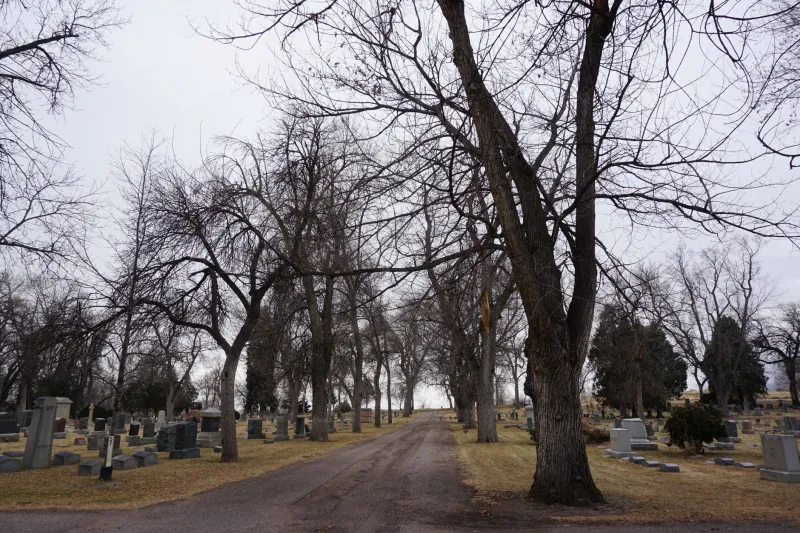
Edgar Lee Masters spent the better part of two decades grinding through Chicago courtrooms, watching his literary dreams slowly suffocate under a pile of legal briefs. Then, in his mid-forties, he drove back to the small Illinois town where his family was buried — and decided to let the dead do the talking. What came out of that graveyard changed American literature overnight.

Shelf Stocker, Sky Painter: The Kansas Man Who Gave the Harlem Renaissance Its Face

Shelf Stocker, Sky Painter: The Kansas Man Who Gave the Harlem Renaissance Its Face

Before Aaron Douglas became the visual architect of one of America's most electric cultural movements, he was a grocery clerk in Nebraska teaching himself to draw from a mail-order course. His story is proof that revolutions don't wait for the right address — they begin wherever someone refuses to stop believing.

Sixty-Seven Years Late to the Party — and Worth Every Minute of the Wait

Sixty-Seven Years Late to the Party — and Worth Every Minute of the Wait

John Kane spent half a century digging ditches, laying rail, and painting factory floors before the American art world finally noticed him. When it did, he was sixty-seven years old, missing a leg, and completely unbothered by the gatekeepers who'd spent decades looking the other way. His story is one of the most defiant late-bloomer triumphs in American cultural history.

The Voice That Couldn't Speak Straight Talked the World Into Peace

The Voice That Couldn't Speak Straight Talked the World Into Peace

Wendell Willkie's stutter made every public word a struggle, and his 1940 presidential loss seemed to end his political dreams. Instead, FDR chose this unlikely outsider as his personal envoy to unite the world against fascism — proving that sometimes our greatest weaknesses become our most powerful credentials.

When Freedom Was Just a Word: The Slave Who Made It Law

When Freedom Was Just a Word: The Slave Who Made It Law

In 1781, when most enslaved Americans couldn't even dream of legal freedom, Quock Walker walked into a Massachusetts courtroom and sued his owner. His victory didn't just win his freedom — it ended slavery in an entire state.

Patterns of Resistance: How Enslaved Women Wove Freedom Into Every Stitch

Patterns of Resistance: How Enslaved Women Wove Freedom Into Every Stitch

Long before digital encryption, women enslaved in the American South developed an ingenious language hidden in fabric. Using quilting patterns as coded maps and messages, they became architects of liberation—turning a domestic craft into an underground network that guided thousands toward freedom.

She Lost Her Hearing at 12. The Music World Said She Was Done. She Disagreed.

She Lost Her Hearing at 12. The Music World Said She Was Done. She Disagreed.

Evelyn Glennie was told, plainly and by people in positions of authority, that a deaf child had no future in music. She went on to become one of the most celebrated percussionists alive, performing barefoot on stages around the world and forcing the classical establishment to reckon with everything it thought it knew about sound. Her story isn't just about perseverance — it's about what we lose when we let gatekeepers decide who gets to create.

The Director Hollywood Erased — And Why a New Generation Never Forgot Him

The Director Hollywood Erased — And Why a New Generation Never Forgot Him

He was one of the most technically gifted directors working in postwar Hollywood — until a single accusation took everything away. What happened next is a story about creative survival, the cruelty of institutional forgetting, and the strange, slow justice that sometimes comes when the culture finally catches up to the art it abandoned.

The Greatest Heist in Hollywood History Had No Guns — Just Typewriters

The Greatest Heist in Hollywood History Had No Guns — Just Typewriters

In 1947, the U.S. government jailed ten of Hollywood's sharpest creative minds and tried to erase them from the industry forever. It didn't work. Writing in secret, under borrowed names, several of them went on to win Oscars anyway — and the stories they told from the shadows helped define American cinema.

The Woman Who Learned to Read at 48 — and Then Wrote the Book on It

The Woman Who Learned to Read at 48 — and Then Wrote the Book on It

For nearly five decades, Sharon Darling hid a secret that millions of Americans share: she couldn't read. What happened after she finally learned — at 48 years old — turned into one of the most quietly radical second acts in modern American life. Her story isn't just personal. It's a mirror held up to a country that still isn't paying close enough attention.